Fullscreen is for monkeys. I don’t even know
why people continue to buy this butchered version of a film on VHS and DVDs. What— Is it because in widescreen versions you obviously have the two matte lines at the top and bottom of the movie frame? Well
BOOHOO, you’re breaking my heart.
"Hey, I don’t want the widescreen version of The Passion of the Christ... Those two black bars are on the screen!" Loser. People who prefer the fullscreen version of a film
(A.K.A. the film with a 1.33:1 aspect ratio format...A.K.A. "pan-and-scan") over widescreen are just as lame as people who don’t like black & white films ‘cause they’re
“old” (more on this diatribe tomorrow). Think about it… What would you rather have...the two matte lines on the TV screen or an image that is only half the size of what is on the original theatrical version? I prefer the two matte lines on the screen
anyday. Now, if the reason why you’re holding off on buying widescreen-formatted films is because you want to buy that nice-ass, WAY-expensive High Definition 16:9 Widecreen TV from
Best Buy first, then that’s different! As long as you let the fullscreen version go the way of...um, I dunno, all those species of insects in the burning Brazilian rain forest
(8-track tapes and the Dodo bird are clichés), then it’s all good. If you wanna see a pan-and-scan film, watch a broadcast of it on network television!
 (Images courtesy of Twentieth Century Fox)
Now, what got me to dislike the 1.33:1 aspect ratio in the first place was me buying the fullscreen VHS version of the film
Independence Day (above) in November of 1996. I showed my dad the movie when he got back home from work, and while watching it, I noticed that he wasn’t as into the film as I thought he would be. Of course, it may have obviously been that
ID4 is a big pile of sci-fi crap
(though I still enjoy the film), but I also attributed it to the fact the full splendor of the images
(especially during the action sequences) wasn’t showing on the TV screen. From there on out, I vowed that every film I bought would be in widescreen. Of course
(I like saying that), I didn’t really practice this till I began buying DVDs. I bought
Gladiator and
Saving Private Ryan in their fullscreen incarnation on VHS…and I, um, cough-cough
(how ‘bout them USC Trojans?), bought
Titanic in fullscreen VHS as well. Of course, James Cameron is a
genius in the sole fact that the way he framed the images during filming
actually allowed everything that you see in the widescreen version of the movie to be visible in the fullscreen version AS WELL. If you’re watching the fullscreen version of
Titanic, you’ll notice that there’s considerable empty space at the top and bottom of the images, and that’s because those spaces were matted off
(a.k.a. covered by the two black bars) for the theatrical release! Pure
genius, Cameron!!
 (Courtesy of Twentieth Century Fox and Paramount)
Anyways, where was I? Oh yes…
Fullscreen SUCKS. I urge my readers out there
(ALL 10 of you. Just kidding… Look at the hit counter at the bottom of this page, haha) to forsake the ghetto
“This film has been formatted to fit your TV screen” version and go with the
“So what do you prefer? The 1.85:1 or the 2.35:1 aspect ratio?” version. Me? I prefer 2.35:1. But I shot my short films
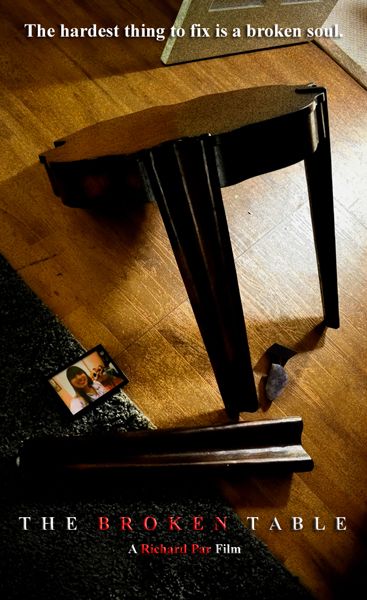
The Broken Table and
Envious in 1.85:1, haha. Oh, and using the
Final Cut Pro editing software program, I matted my first student film, a BLACK & WHITE cinematography project
(creatively titled Cinematography Project), with BOTH 1.85:1 AND 2.35:1 matte bars. It’s SO COOL that that film, which was shot in fullscreen, was framed well enough for the other two aspect ratios to be compatible!
Parno rules!! Just kidding. That is all.

 Dumb & Dumber: One of only a few films enjoyable in both the fullscreen and widescreen formats!(Images courtesy of New Line Cinema)